
Acupressure Safety 101: What to Avoid and When to Be Cautious
PLEASE READ THIS:
Acupressure is about as low-risk as hands-on self-care gets.
But "low-risk" isn't "no-risk," and because it's so easy to try — no needles, no appointment, no equipment — it's also easy to skip the "should I actually be doing this?" step.
Here's the two-minute version so you don't have to guess.
The One Everyone Should Know: Pregnancy
Two common points contraindicated during pregnancy:
LI4 (He Gu) — between the thumb and index finger - see a full, practitioner-level LI4 breakdown here
SP6 (San Yin Jiao) — about 3 inches above the inner ankle - see a full, practitioner-level SP6 breakdown here
Both have a traditional downward, moving action that can stimulate uterine activity — which is exactly why they're sometimes used intentionally, under supervision, to help induce labor at full term. That same action is why they're avoided earlier in pregnancy.
If you're pregnant, trying to conceive, or unsure: skip these two points, and check with a practitioner before working anywhere on the lower abdomen or lower back.
FYI - there are more than just these two points contraindicated in pregnancy - these are just two of the more common acupressure points that you will see come up for common conditions.
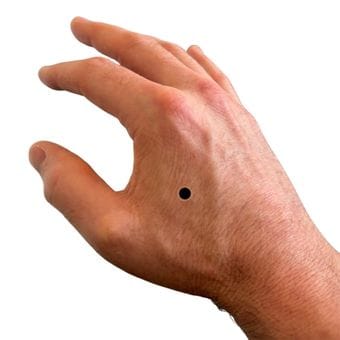
Large Intestine - 4 (LI-4)
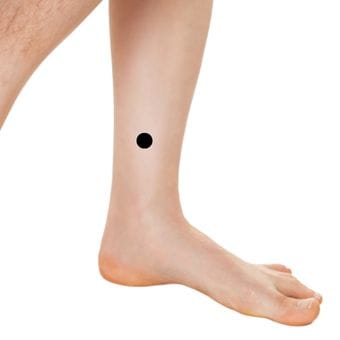
Spleen - 6 (SP-6)
Who Else Should Be Cautious
Recent injuries, surgeries, or broken skin — don't press directly on it
Varicose veins — work around them, not on them
Blood clotting disorders or blood thinners — check with your doctor before making firm pressure a habit
Cancer, active infections, or serious chronic illness — talk to your healthcare provider first
Children — much lighter pressure than an adult, and skip pregnancy-contraindicated points if there's any chance a teen in your care could be pregnant
This is the same basic caution you'd apply to any hands-on bodywork — acupressure isn't special in needing it, just in how easy it is to forget.
Doing This on Someone Else
Ask first, and keep checking in — "how does that feel?" is a fair question mid-treatment, not just at the start
Their pressure tolerance isn't yours — let their feedback set the pressure, not your assumption
You're responsible for knowing their contraindications — ask before you press, not after
Communicate before sensitive areas — some effective points, like CV4 on the lower abdomen [LINK: covered here], need a clear heads-up first
How Much Pressure Is Actually Safe
Firm, sustained pressure, held 20–30 seconds per press
3–5 reps per point, or rotate through a few points in a routine before circling back
Target feeling: "achy but tolerable" — not sharp pain, not nothing at all
If it's sharp: ease up, you're either pressing too hard or slightly off the point
Full technique breakdown here, if you want to go deeper.
When to Skip Acupressure and See a Doctor Instead
Sudden, severe, or "worst headache of my life" pain
Chest pain, difficulty breathing, or anything that feels like an emergency
New, unexplained pain that hasn't been evaluated yet
Acupressure is a great tool for everyday aches and tension. It's not a substitute for medical evaluation when something feels seriously wrong.
The Two-Minute Recap
Skip LI4 and SP6 during pregnancy
Avoid injuries, broken skin, and varicose veins
Ask first when working on someone else
Firm pressure, 20–30 seconds, achy-not-sharp
Something feels like an emergency? Skip this and get real medical help
Once you've got this down, you're ready for the fun part: the five points everyone should know, or grab a guide built around your specific problem — Headaches Guide or Digestive Issues Guide.
Dealing with headaches? Get my free guide to the acupressure points that actually help.
Free Headaches Guide →Bloating, cramping, sluggish digestion? There's a free guide for that too.
Free Digestive Guide →